Community/Social Responsibilities
Adama Garment Industry is deeply committed to ethical labor practices and the holistic well-being of its workforce. The company implements a range of impactful initiatives to support employees and their families. Key initiatives include:
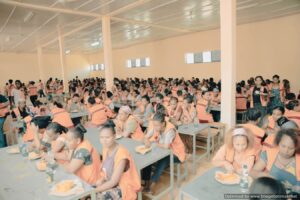
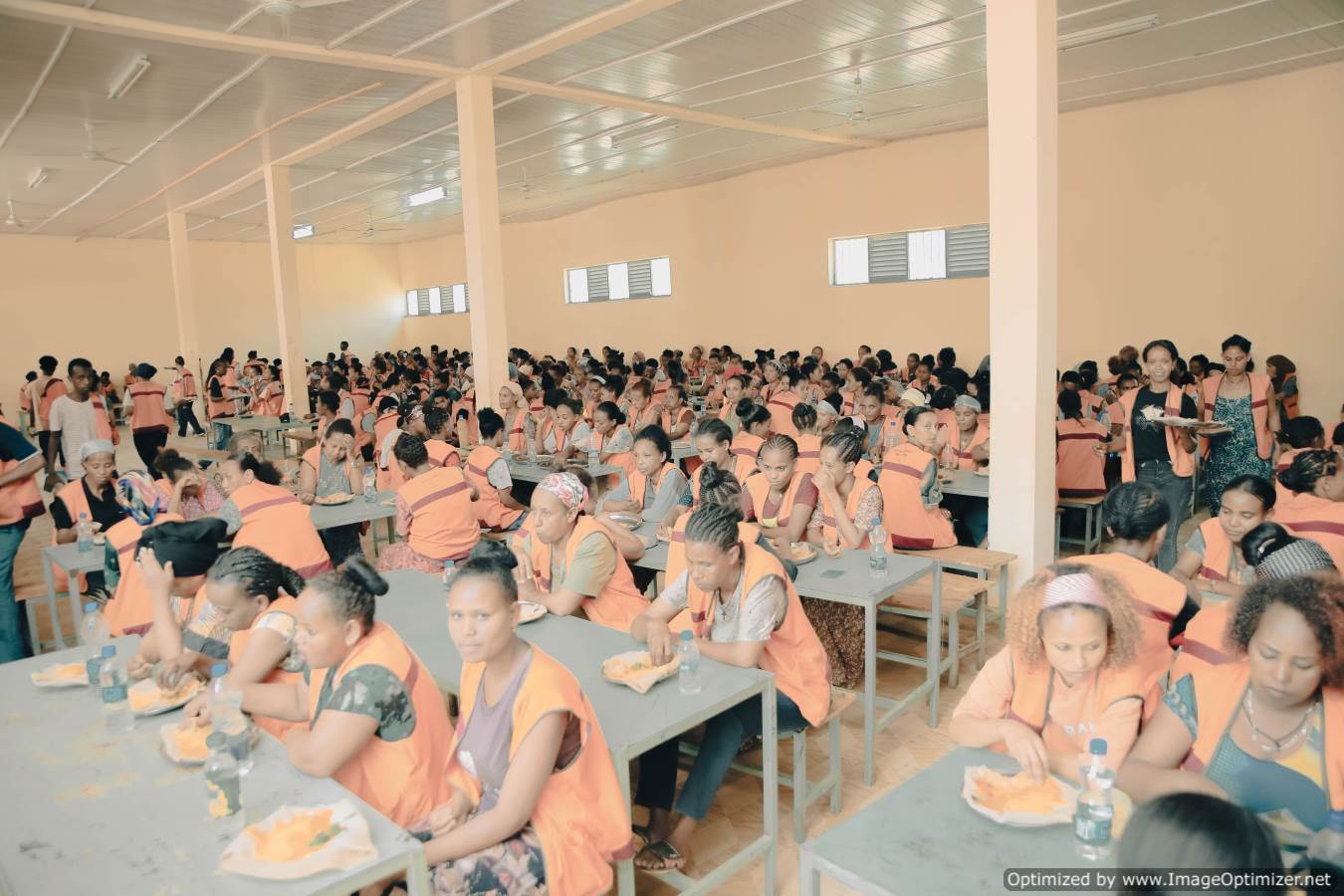
- Free Meals for Employees: The company provides nutritious meals at no cost, ensuring that workers are healthy and energized throughout the workday.
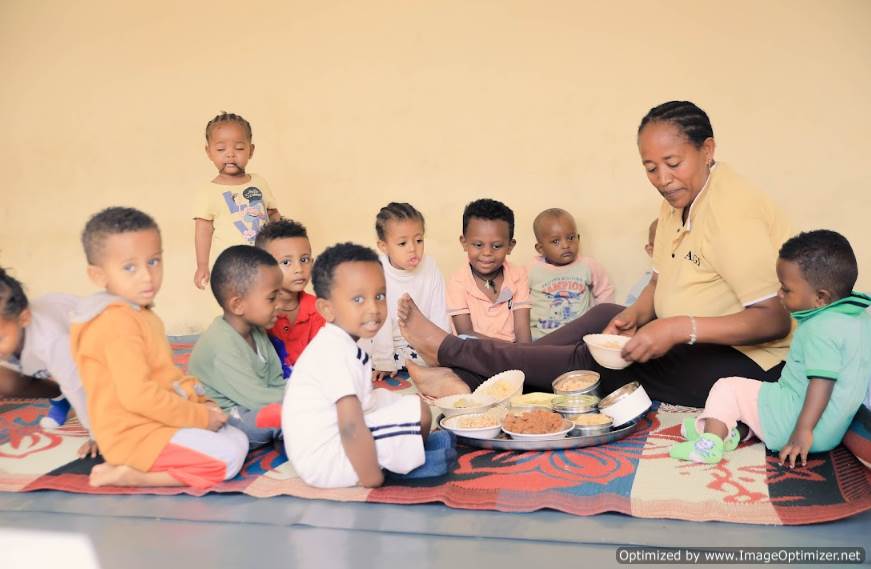
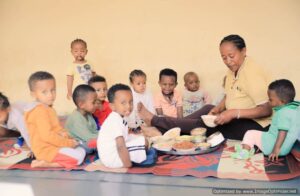
- Free Daycare Services: Recognizing the challenges working parents face, Adama Garment offers free daycare facilities. This allows employees to focus on their work while knowing their children are in safe hands.
- Children’s Welfare: Beyond daycare, the company also provides free meals for employees’ children, supporting their growth and development and easing the financial burden on families.
- Free Transportation for Employees: Adama Garment Industry provides free bus transportation for its employees, ensuring safe and reliable commuting between the factory and central locations in Adama city.
This service:
- Reduces commuting costs for workers, increasing their disposable income.
- Improves punctuality and attendance, contributing to higher productivity.
- Enhances safety, especially for women and workers traveling early or late.
- Reduces environmental impact by minimizing the number of individual vehicles on the road.
Training and Skill Development
Adama Garment Industry places strong emphasis on employee training and skill development as a core part of its operational strategy.
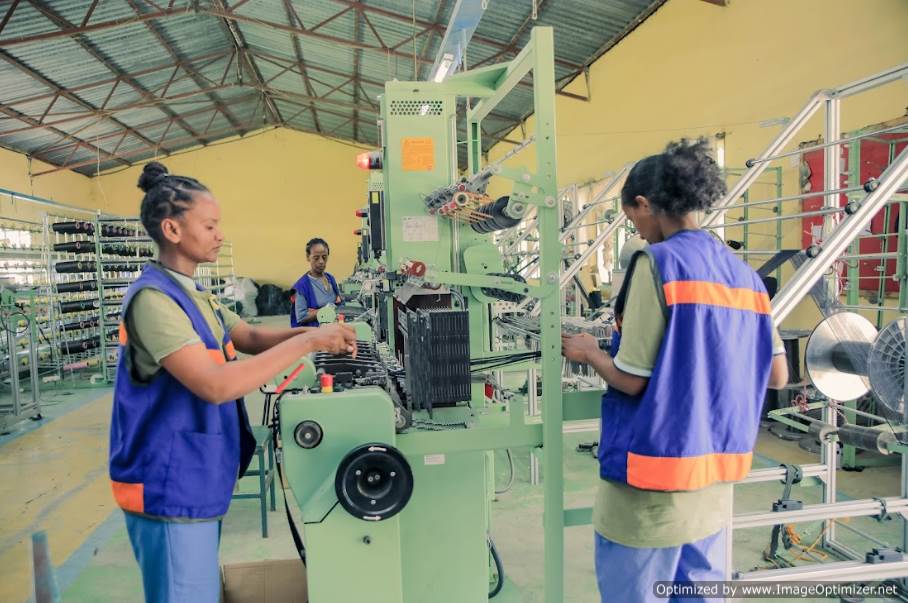
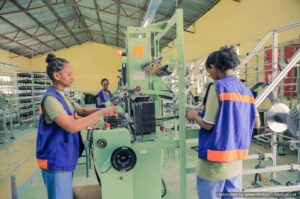
Workers undergo structured training programs that cover both technical and soft skills, ensuring they are well-prepared for the demands of modern garment production. Technical training includes areas such as machine operation, quality control, occupational safety, and production efficiency, often aligned with national and international standards.
Additionally, partnerships with various government and non-governmental organization organizationswe provide gender-focused training, including life skills, gender equality, and anti-harassment education, particularly empowering female workers in the sector. These comprehensive programs not only improve productivity but also foster a respectful, inclusive, and skilled workforce.
Adama Garment Industry is deeply committed to ethical labor practices and the holistic well-being of its workforce. The company implements a range of impactful initiatives to support employees and their families. Key initiatives include:
- Free Meals for Employees: The company provides nutritious meals at no cost, ensuring that workers are healthy and energized throughout the workday.
- Free Daycare Services: Recognizing the challenges working parents face, Adama Garment offers free daycare facilities. This allows employees to focus on their work while knowing their children are in safe hands.
- Children’s Welfare: Beyond daycare, the company also provides free meals for employees’ children, supporting their growth and development and easing the financial burden on families.
- Free Transportation for Employees: Adama Garment Industry provides free bus transportation for its employees, ensuring safe and reliable commuting between the factory and central locations in Adama city.
This service:
- Reduces commuting costs for workers, increasing their disposable income.
- Improves punctuality and attendance, contributing to higher productivity.
Enhances safety, especially for women and workers traveling early or late. - Reduces environmental impact by minimizing the number of individual vehicles on the road.
Training and Skill Development
Adama Garment Industry places strong emphasis on employee training and skill development as a core part of its operational strategy.
Workers undergo structured training programs that cover both technical and soft skills, ensuring they are well-prepared for the demands of modern garment production. Technical training includes areas such as machine operation, quality control, occupational safety, and production efficiency, often aligned with national and international standards.
Additionally, partnerships with various government and non-governmental organization organizationswe provide gender-focused training, including life skills, gender equality, and anti-harassment education, particularly empowering female workers in the sector. These comprehensive programs not only improve productivity but also foster a respectful, inclusive, and skilled workforce.